
Hair thinning in women can range from temporary and barely noticeable to ongoing and deeply distressing. While a great deal of research has been carried out in this area, there are clear and recurring patterns in how, where, and why women experience changes in their hair and scalp health.
Hair loss and scalp issues are rarely caused by a single factor. In most cases, they reflect a combination of hormonal shifts, nutritional status, stress, lifestyle habits, and underlying health conditions. Understanding what is happening beneath the surface is the first step towards managing it effectively.
Hair specialists often describe hair as the body’s thermometer. I previously wrote about How Hair Reflects Inner Health, but when that thermometer starts to dip, it often shows up as a loss of density, changes in texture, or reduced shine long before symptoms appear elsewhere in the body.
In this article, we will focus on how to recognise different types of hair thinning and how to approach them.
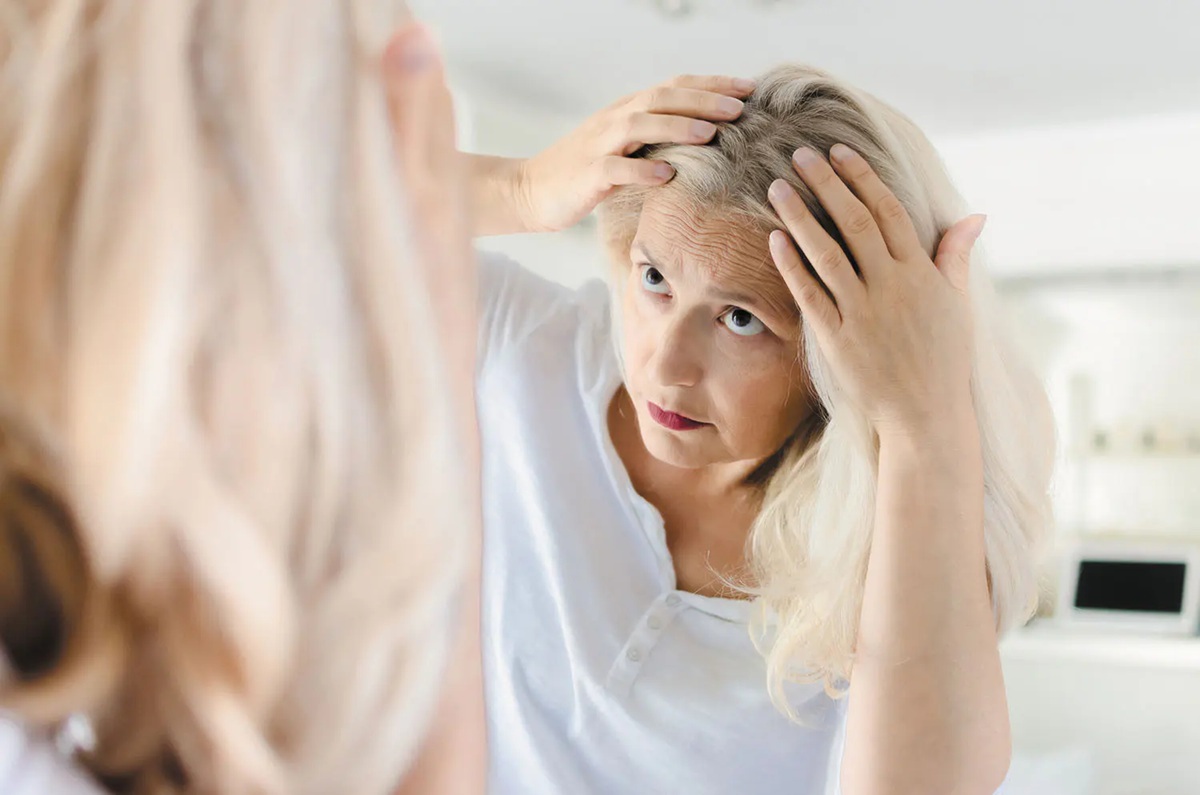
Common Patterns of Hair Thinning in Women
Several types of hair loss commonly affect women, each with its own causes and characteristics. The three main patterns I often see are:
- Diffuse thinning: This type of thinning occurs evenly across the scalp rather than in one specific area. Hair may appear less dense overall and the ponytail may feel noticeably smaller. It is a common sign of internal imbalances, nutritional deficiencies, or low iron levels.
- Post-partum hair shedding: After pregnancy, many women experience temporary hair loss due to hormonal shifts. During pregnancy, the shedding phase largely pauses, making the hair appear thicker. Once hormone levels reset after birth (usually around three to five months), those hairs shed together. New growth may be finer, soft, fragile, and often referred to as lanugo or baby hair. While alarming, this is usually temporary.
- Hormonal hairline changes: Hormonal fluctuations—whether related to age, stress, or health conditions—can cause changes in the temples, frontal hairline, and parting. This area is very much affected by the natural hormonal changes occurring during and after childbirth, and again during menopause.
How Your Hair Changes Through Life — And What to Do About It
Teenage Years: Rapid Hormonal Shifts
During puberty, hormone levels fluctuate significantly, often leading to increased oil production and changes in hair texture. For some, these changes settle naturally. For others, low iron, thyroid imbalance, or polycystic ovary syndrome (PCOS) may disrupt the hair cycle. Iron deficiency, in particular, can cause diffuse thinning across the scalp. Teenage girls experiencing persistent hair thinning or scalp issues may benefit from blood tests to check iron, thyroid, and hormonal levels.
20s–30s: Post-Pregnancy Hair Changes
After pregnancy, the hair cycle resets. Hair that stayed in the growth phase during pregnancy often enters shedding simultaneously a few months after birth, which can feel alarming but is typically temporary. New growth may be fine, soft, and fragile — often appearing around the hairline and sometimes referred to as baby hair or lanugo hair. At this stage, gentle styling, avoiding tight hairstyles and excessive heat, and supporting nutrition — especially iron and overall diet — are essential.
Mid-Life and Menopause: Hormonal Thinning
As women approach peri-menopause and menopause, hormonal shifts can cause thinning along the crown, temples, and parting. Grey hairs often appear first in these areas and may look thinner due to their translucency. Lifestyle pressures, stress, and long-term health factors can also impact hair quality at this stage. Paying attention to stress management, nutrition, and ongoing hair care is key. Blood tests for hormones, iron, zinc, vitamin D, and B12 can help identify underlying contributors to hair changes.
Stress and Its Impact on Hair
Stress deserves a focused look because of its direct influence on the hair growth cycle. Stress is often mentioned daily, but what is it exactly?
Stress is an event or involuntary reaction to a stimulus. It can also appear internally, without a clear external trigger, and our brains often attribute it to our life situation at that time. Physically, stress activates the sympathetic nervous system (S.N.S.), releasing hormones such as noradrenaline, which travel through the bloodstream to the heart, lungs, gut, and other systems to prepare the body for defence. From an evolutionary perspective, this response was necessary for humans to escape immediate danger.
In modern life, stressors are rarely immediate physical threats. Many women face the strain of multiple responsibilities: corporate careers, running a household, caring for children, or navigating life independently in later years. These pressures, along with unexpected health challenges or genetic conditions, can upset the body’s natural rhythm and, in turn, disrupt the hair growth cycle.
Understanding where stress comes from is crucial. It may be:
- Environmental: work demands, lifestyle pressures, or sudden life changes
- Systemic: hormonal shifts or medical conditions
- Emotional: anxiety, grief, or ongoing emotional strain
- Lifestyle-related: sleep deprivation, excessive caffeine or alcohol, overwork, or other prolonged strain
Whatever the source, the effect is the same: the hormones released during stress can interfere with new hair growth. This is why stress is often linked to hair thinning, shedding, and scalp concerns.
Hormones and Hair Health
Hair growth and quality are closely tied to hormonal balance. Hormones influence the hair cycle at many points in life:
- Puberty: Fluctuating estrogen and androgen levels can affect scalp oiliness and hair texture.
- Reproductive Years: Pregnancy and post-partum hormone shifts temporarily alter the hair cycle, leading to shedding and fine regrowth along the hairline.
- Later Life: Peri-menopause and menopause bring declining estrogen and progesterone levels, which can contribute to thinning along the crown, top of the scalp, and hairline.
Other factors, like thyroid hormones, insulin, and androgen sensitivity, also play a significant role and can affect hair at any age. Supporting hormonal balance through nutrition, sleep, stress management, and medical guidance helps maintain healthy hair.
Nutrition and Internal Health
Hair is not essential for survival, so the body deprioritises it during times of deficiency or stress. Common nutritional factors affecting hair include:
- Low iron and ferritin
- Vitamin B12 deficiency
- Zinc deficiency
- Vitamin D deficiency
- Blood sugar fluctuations
Long-term use of medications for anxiety, depression, weight management, or hormonal regulation can also contribute to thinning.
Blood tests can provide insight into underlying causes:
- Nutritional: serum ferritin & iron, vitamin B12, zinc, vitamin D
- Hormonal: thyroid hormones (T3 & T4), androgen panel, FSH
Addressing these deficiencies and imbalances can help restore healthy hair growth.
External Damage and Lifestyle Factors
Repeated exposure to heat tools, blow-drying, chemical treatments, colouring, and extensions weakens hair over time. Even high-quality masks and treatments cannot fully undo cumulative damage. Unrealistic social media expectations for perfect hair also create pressure and disappointment.
Long-term care — gentle styling, proper nutrition, and regular scalp care — is the most effective way to maintain hair health.
Taking Action for Healthier Hair
Hair changes are a natural part of life, but they also provide clues about your overall health. Monitoring your hair, understanding patterns, and addressing root causes — whether nutritional, hormonal, or stress-related — can help maintain healthy hair through every stage.
Gentle styling, balanced nutrition, regular blood tests, and stress management are key steps. Remember, your hair often speaks before the rest of your body does — listening to it can make a meaningful difference.